SEO में कितना समय लगता है? एक व्यावहारिक Framework तब useful है जब यह real reader या operator को better decision लेने में help करे, सिर्फ isolated SEO tactic add न करे। Arjns-style publishing में page problem explain करे, practical workflow दिखाए, risks बताए और result review करने का repeatable तरीका दे। SEO की कोई एक निश्चित समय-सीमा नहीं होती क्योंकि discovery, crawling, indexing, impressions, rankings, उपयोगी visits और business outcomes अलग गति से आते हैं। पूरी evidence chain मापें और जहाँ प्रगति रुके, उसी चरण की जाँच करें।
SEO के लिए एक universal waiting period नहीं है
SEO उतना समय लेता है जितना discovery, crawl, indexing, relevance, competitive selection, click और useful business action के बीच सबसे धीमा unresolved stage। Established page का technically sound update नई site की stable visibility से जल्दी process हो सकता है, लेकिन किसी की deadline guaranteed नहीं है। एक blanket month estimate की जगह dated evidence रखें: URL कब discover हुआ, crawl कब हुआ, कौन-सा canonical index हुआ, intended-query impressions कब शुरू हुए, position bands कैसे बदले और qualified visits ने intended action पूरा किया या नहीं।
Milestone evidence ledger बनाएँ
उपयोगी forecast अगला observable event, उसकी dependency और review window बताता है। वह uncertainty को ranking promise में नहीं बदलता।
- हर milestone के साथ dated artifact जोड़ें: sitemap/internal-link release, server log या inspection result, index report, query export और conversion record।
- Breakage के लिए weekly checks, directional search movement के लिए monthly cohorts और seasonality वाले outcomes के लिए लंबे comparable periods रखें।
- Access regression तुरंत escalate करें; relevance तभी जाँचें जब सही canonical indexed हो और उसे उचित observation window मिला हो।
रुका हुआ SEO milestone पहचानें
सबसे पहले user need और search engine signal को अलग करें। User need वह है जो page solve करता है। Search signal वह है जिससे crawlers और ranking systems solution समझते हैं। अगर page सिर्फ signal chase करता है तो thin हो जाता है। अगर reader की help करता है लेकिन structure hide करता है तो discover होना मुश्किल हो सकता है। सही answer clear page, crawlable HTML, precise metadata, useful examples, internal links और measurable follow-up है।
Evidence-based review cadence बनाएँ
- काम शुरू होने से पहले target query group, उपयोगी landing pages, मौजूदा search metrics, conversions और बाहरी प्रभावों का baseline बनाएँ।
- Status codes, robots rules, canonicals, sitemap, internal discovery, rendering और server reliability सत्यापित करें।
- केवल site search पर निर्भर न रहें; URL Inspection और Page indexing reports से indexing की पुष्टि करें।
- Intended-query impressions, query diversity, सही landing page और position distribution जैसे शुरुआती relevance signals देखें।
- Title promise, snippet, SERP features, device और country mix तथा समान positions पर CTR का मूल्यांकन करें।
- जाँचें कि page सही जानकारी, मौलिक प्रमाण, उपयोगी उदाहरण और स्पष्ट next steps के साथ intent पूरा करता है।
- Technical failures साप्ताहिक, query और page trends मासिक तथा दीर्घकालिक strategy तिमाही आधार पर देखें।
- एक समय में एक documented hypothesis जाँचें और कारण तय करने से पहले recrawl तथा reprocessing के लिए पर्याप्त समय दें।
- Publish करने से पहले expected search intent, page promise और verification method document करें।
- Mobile पर rendered page review करें क्योंकि cramped layouts, hidden tables या broken controls good content को poor experience बना सकते हैं।
Discovery से outcomes तक milestone ledger
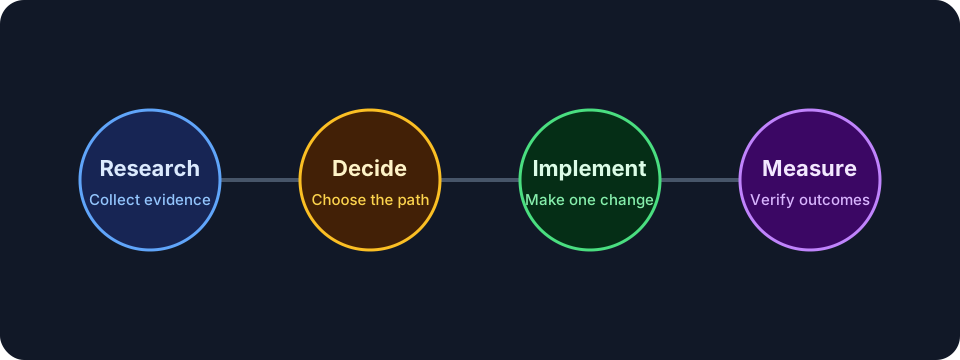
छह milestones track करें: sitemap और links से discovery; inspection या logs से crawl evidence; indexed canonical; intended queries पर impressions; बेहतर position bands; और उपयोगी clicks या actions। जिस चरण में प्रगति रुके, अगले चरण का content बदलने से पहले उसी को ठीक करें।
- Final article से पहले page brief लिखें।
- Primary query group और reader का next action name करें।
- सिर्फ draft data नहीं, rendered page check करें।
- Verification date record करें ताकि later reporting में context रहे।
SEO progress evidence checklist
- Title, H1, summary और first section same practical outcome describe करें।
- Page में examples या decision rules हों जिन्हें reader immediately apply कर सके।
- Important links crawlable anchors हों और natural context में हों।
- Sitemap page को तभी include करे जब वह live और canonical हो।
- Page ऐसे claims avoid करे जो visible content या data से verify नहीं होते।
- Editor के लिए review date, publish date और next measurement point clear हों।
Timelines, dependencies और uncertainty
Decision rules work को honest रखते हैं। Rule page को SEO opinions के collection में बदलने से बचाता है और दूसरे reviewer के लिए review आसान करता है। Rule बताए कि evidence weak हो तो क्या करना है, page thin हो तो क्या करना है, signals conflict करें तो क्या करना है, और कब better data का wait करना safest है।
- अगर page clear reader need answer नहीं कर सकता, उसे indexable content की तरह publish न करें।
- अगर technical signal visible content से conflict करता है, visible content fix करें या signal remove करें।
- अगर section सिर्फ title को अलग words में repeat करता है, उसे example, checklist या caveat से replace करें।
- अगर change verify नहीं हो सकता, उसे completed fix की जगह editorial assumption mark करें।
- Future scheduled page को publish date से पहले public links और sitemaps से बाहर रखें।
प्रतीक्षा कब गलत recommendation है
जब production error दे, robots/noindex intended page को रोके, canonical कहीं और जाए, rendering main content छोड़ दे या analytics recording बंद हो, तब patience की सलाह न दें। ये observable failures हैं। इसी तरह change के बाद कुछ quiet days से failure घोषित न करें और seasonal peak की low-demand period से तुलना न करें। Comparison definition स्थिर रखें, releases और outside events दर्ज करें तथा investigation trigger पहले तय करें।
Stakeholders को भ्रमित करने वाले timeline claims
- किसी निश्चित तारीख तक ranking या traffic का वादा करना।
- केवल indexing को SEO success का प्रमाण मानना।
- हर सप्ताह कई variables बदलकर कारण का प्रमाण खो देना।
- Demand के अंतर को देखे बिना seasonal periods की तुलना करना।
- Query, page, country और device context के बिना average position report करना।
Promises नहीं, stage के अनुसार progress मापें
इस work को short feedback loop से measure करें: crawl status, sitemap visibility, intended query group impressions, snippets change होने पर clicks/CTR, page engagement और reader related guide या tool तक जाता है या नहीं। Single day data से success judge न करें; search systems, crawling और reporting अलग timelines पर move करते हैं।
SEO progress evidence checklist: release checks
- Canonical URL, title, meta description, headings और language alternates confirm करें।
- Mobile और desktop पर page open करके spacing, tables, diagrams और code blocks check करें।
- Page sitemap में तभी appear करे जब वह live हो।
- Images में useful alt text हो और layout shift न create करें।
- Related guides से internal links destination page public होने के बाद add करें।
Recommendation: पहले रुके stage की जाँच करें: AI review prompt
इस prompt को real URL, draft या crawl export के साथ use करें। Output को review करके ही publish करें, क्योंकि SEO में context और business priority दोनों जरूरी होते हैं।
Careful SEO implementation reviewer की तरह काम करें.
Page/topic: SEO में कितना समय लगता है? एक व्यावहारिक Framework
URL or draft: [URL or content]
Search intent: [intent]
Review करें: crawlability, title, meta description, headings, content depth, examples, internal links, structured data/canonical needs, mobile UX और measurement plan.
Exact page sections के साथ prioritized fixes return करें.
अक्सर पूछे जाने वाले सवाल
क्या SEO हमेशा छह महीने लेता है?
नहीं। अलग milestones अलग गति से बढ़ते हैं और हर site या query पर एक समय-सीमा लागू नहीं होती।
नया page कितनी जल्दी crawl हो सकता है?
Crawling में कुछ दिन से कुछ सप्ताह लग सकते हैं; request से crawling या indexing की गारंटी नहीं मिलती।
सबसे पहले क्या बेहतर होना चाहिए?
आमतौर पर discovery, crawl और index evidence के बाद relevant impressions, rankings, clicks और outcomes आते हैं।
प्रतीक्षा के बजाय जाँच कब करनी चाहिए?
Access और indexing failures तुरंत जाँचें; relevance या traffic रुकने को तय review window और baseline के विरुद्ध जाँचें।
Recommendation: पहले रुके stage की जाँच करें
अच्छा SEO page सिर्फ keyword optimized नहीं होता। वह crawlable, useful, readable और honest होता है। Publish करने से पहले rendered page, snippet fields, internal links, indexability और reader action को साथ में check करें।
Page को तब revisit करें जब search intent बदले, product या platform बदले, Search Console नए query groups दिखाए, या users बार-बार clarification मांगें। Content refresh page को ज्यादा accurate और useful बनाए; यह cosmetic date change नहीं होना चाहिए।