Long-Tail Keywords कैसे खोजें और इस्तेमाल करें तब useful है जब यह real reader या operator को better decision लेने में help करे, सिर्फ isolated SEO tactic add न करे। Arjns-style publishing में page problem explain करे, practical workflow दिखाए, risks बताए और result review करने का repeatable तरीका दे। Long-tail queries को fixed word count से नहीं, search-demand curve में उनकी position से समझें। इनसे specific reader needs खोजें, फिर intent, answer depth, existing coverage और result patterns के आधार पर decide करें कि query को page, section या कोई new URL नहीं चाहिए।
Keyword को long-tail क्या बनाता है
Long-tail keyword किसी topic की demand distribution में relatively infrequent search need है, केवल तीन या ज्यादा words वाला phrase नहीं। इसकी value specificity से आती है: modifier reader की situation, constraint, stage या desired action दिखा सकता है। यह specificity answer shape करने में मदद करती है, लेकिन separate URL automatically justify नहीं करती। Search intent, required answer depth, result overlap और existing coverage तय करते हैं कि best destination page, section, tool या no new content है।
Defensible long-tail map में क्या हो
Finished map meaningful modifiers preserve करे और near-duplicate briefs को publishing queue में जाने से रोके।
- Task बदलने वाले modifiers को उसी answer में समा सकने वाली wording variants से अलग करें।
- Brief बनाने से पहले existing URLs और narrower need satisfy करने वाले sections compare करें।
- Query page, section, tool, refresh या rejection क्यों बनी, इसे record करें ताकि decision बाद में review हो सके।
Specific search task diagnose करें
सबसे पहले user need और search engine signal को अलग करें। User need वह है जो page solve करता है। Search signal वह है जिससे crawlers और ranking systems solution समझते हैं। अगर page सिर्फ signal chase करता है तो thin हो जाता है। अगर reader की help करता है लेकिन structure hide करता है तो discover होना मुश्किल हो सकता है। सही answer clear page, crawlable HTML, precise metadata, useful examples, internal links और measurable follow-up है।
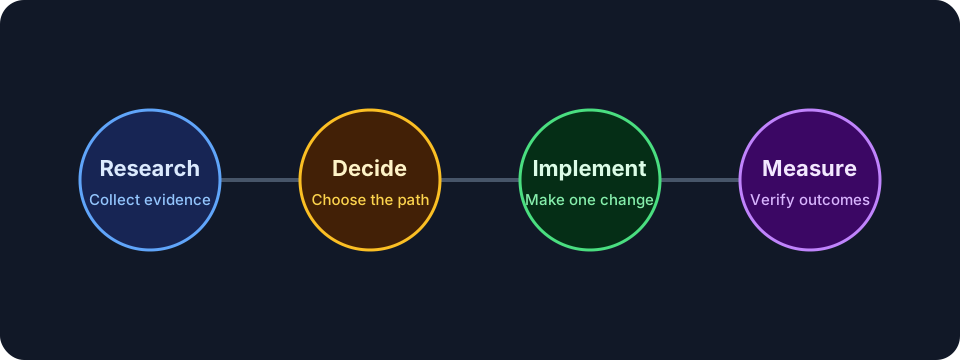
Long-tail demand खोजें, normalize करें और map करें
- Keyword suggestions export करने से पहले audience और practical problem define करें।
- Search performance, internal search, support questions, communities, autocomplete और related searches से language collect करें।
- Duplicates normalize करें, लेकिन user task बदलने वाले modifiers preserve रखें।
- हर query को learn, compare, diagnose, complete, locate या buy intent दें।
- New URL propose करने से पहले हर query को existing page से map करें।
- Result types और overlap compare करके page, section, tool या no page choose करें।
- Publish करने से पहले expected search intent, page promise और verification method document करें।
- Mobile पर rendered page review करें क्योंकि cramped layouts, hidden tables या broken controls good content को poor experience बना सकते हैं।
Worked example: page, section, tool या reject
'Technical SEO checklist' को existing checklist page से map करें। 'Small site के लिए technical SEO checklist' same task और narrower constraint है, इसलिए इसे section बनाएं। Reusable audit template की query separate tool justify कर सकती है, जबकि agency-selection query blog-first site के scope से बाहर है। Chosen page का पूरा relevant query mix और useful outcomes track करें; cluster को एक exact phrase से judge न करें।
- Final article से पहले page brief लिखें।
- Primary query group और reader का next action name करें।
- सिर्फ draft data नहीं, rendered page check करें।
- Verification date record करें ताकि later reporting में context रहे।
Long-tail intent validation checklist
- Title, H1, summary और first section same practical outcome describe करें।
- Page में examples या decision rules हों जिन्हें reader immediately apply कर सके।
- Important links crawlable anchors हों और natural context में हों।
- Sitemap page को तभी include करे जब वह live और canonical हो।
- Page ऐसे claims avoid करे जो visible content या data से verify नहीं होते।
- Editor के लिए review date, publish date और next measurement point clear हों।
Volume, overlap और evidence limits
Decision rules work को honest रखते हैं। Rule page को SEO opinions के collection में बदलने से बचाता है और दूसरे reviewer के लिए review आसान करता है। Rule बताए कि evidence weak हो तो क्या करना है, page thin हो तो क्या करना है, signals conflict करें तो क्या करना है, और कब better data का wait करना safest है।
- अगर page clear reader need answer नहीं कर सकता, उसे indexable content की तरह publish न करें।
- अगर technical signal visible content से conflict करता है, visible content fix करें या signal remove करें।
- अगर section सिर्फ title को अलग words में repeat करता है, उसे example, checklist या caveat से replace करें।
- अगर change verify नहीं हो सकता, उसे completed fix की जगह editorial assumption mark करें।
- Future scheduled page को publish date से पहले public links और sitemaps से बाहर रखें।
Long-tail page कब न बनाएं
जब query site के editorial scope से बाहर हो, उसका answer established guide के एक sentence में आ सकता हो या modifier task न बदलता हो, तब page न बनाएं। Reported zero volume अपने आप rejection नहीं है और low difficulty score अपने आप approval नहीं है। Decision के लिए direct audience evidence और page map use करें।
Long-tail research mistakes
- तीन या ज्यादा words वाले हर phrase को long-tail मानना।
- Low volume को हमेशा low competition या high conversion मानना।
- हर modifier के लिए एक thin page publish करना।
- सिर्फ tool के easy label के कारण query choose करना।
- Tool में zero volume देखकर useful audience questions ignore करना।
पूरे query cluster को measure करें
इस work को short feedback loop से measure करें: crawl status, sitemap visibility, intended query group impressions, snippets change होने पर clicks/CTR, page engagement और reader related guide या tool तक जाता है या नहीं। Single day data से success judge न करें; search systems, crawling और reporting अलग timelines पर move करते हैं।
Long-tail intent validation checklist: release checks
- Canonical URL, title, meta description, headings और language alternates confirm करें।
- Mobile और desktop पर page open करके spacing, tables, diagrams और code blocks check करें।
- Page sitemap में तभी appear करे जब वह live हो।
- Images में useful alt text हो और layout shift न create करें।
- Related guides से internal links destination page public होने के बाद add करें।
Recommendation: कम और मजबूत destinations publish करें: AI review prompt
इस prompt को real URL, draft या crawl export के साथ use करें। Output को review करके ही publish करें, क्योंकि SEO में context और business priority दोनों जरूरी होते हैं।
Careful SEO implementation reviewer की तरह काम करें.
Page/topic: Long-Tail Keywords कैसे खोजें और इस्तेमाल करें
URL or draft: [URL or content]
Search intent: [intent]
Review करें: crawlability, title, meta description, headings, content depth, examples, internal links, structured data/canonical needs, mobile UX और measurement plan.
Exact page sections के साथ prioritized fixes return करें.
अक्सर पूछे जाने वाले सवाल
क्या long-tail keywords हमेशा long phrases होते हैं?
नहीं। Term low-frequency demand बताता है, required word count नहीं।
क्या long-tail keywords हमेशा आसान होते हैं?
नहीं। Difficulty intent, competing pages, site relevance और required answer quality पर depend करती है।
क्या हर long-tail query का अलग page होना चाहिए?
आमतौर पर नहीं। Same task वाली close variants एक strong page पर होनी चाहिए।
Useful ideas कहां से मिल सकती हैं?
Search performance, internal search, support questions, audience language, autocomplete और related searches use करें।
Recommendation: कम और मजबूत destinations publish करें
अच्छा SEO page सिर्फ keyword optimized नहीं होता। वह crawlable, useful, readable और honest होता है। Publish करने से पहले rendered page, snippet fields, internal links, indexability और reader action को साथ में check करें।
Page को तब revisit करें जब search intent बदले, product या platform बदले, Search Console नए query groups दिखाए, या users बार-बार clarification मांगें। Content refresh page को ज्यादा accurate और useful बनाए; यह cosmetic date change नहीं होना चाहिए।