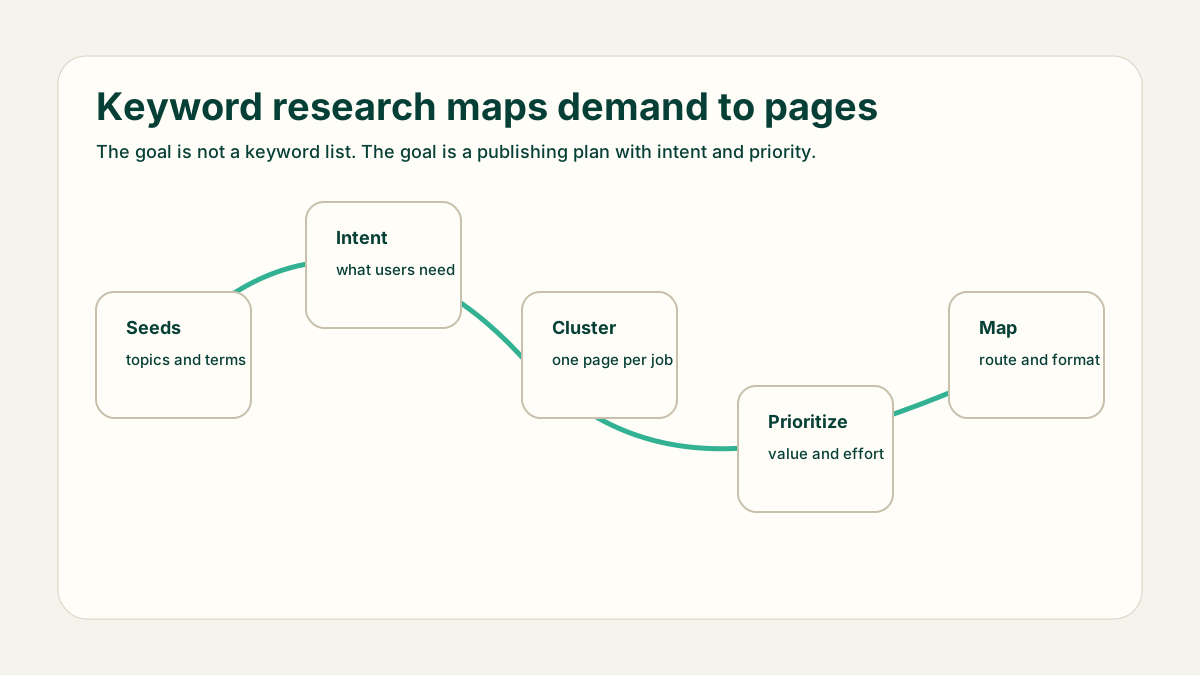
Keyword research सबसे बड़ी keyword list बनाने का काम नहीं है। यह decide करने का काम है कि कौन से pages exist करने चाहिए, हर page reader को क्या करने में मदद करेगा और कौन सा query group किस page से answer होगा। Output prioritized content map होना चाहिए, ऐसा spreadsheet नहीं जिसे कोई use न करे।
Seed terms से शुरुआत करें
Seed terms topic के लिए already use होने वाले plain words हैं। SEO series के लिए seeds search engines, keyword research, on-page SEO, technical SEO, backlinks, sitemaps और Search Console हो सकते हैं। Variants और questions जोड़ें, लेकिन original topic visible रखें ताकि research drift न हो।
Search intent पढ़ें
Intent page format decide करता है। Definition query को explanation और examples चाहिए। Beginner guide को workflow चाहिए। Tool query को interface चाहिए। Checklist query को ordered actions चाहिए। अगर दो keywords का intent same है, तो वे आम तौर पर एक strong page पर belong करते हैं।
- Informational intent: explain, define, compare या teach करना।
- Practical intent: steps, templates, examples और checks दिखाना।
- Tool intent: long copy से पहले interactive result देना।
- Commercial intent: options compare करना, site को sales page बनाए बिना।
Keywords को job के हिसाब से cluster करें
Cluster ऐसे terms का group है जिन्हें same page answer कर सकता है। Safe rule है one page per reader job। Spelling variants, plural forms और close synonyms को अलग articles में split न करें। Keyword research और content optimization जैसे अलग workflows को split करें।
Cluster example
Pillar: /blog/seo/seo-guide
Spoke: /blog/seo/how-search-engines-work
Spoke: /blog/seo/keyword-research
Spoke: /blog/seo/content-optimization
Spoke: /blog/seo/on-page-seo
Internal link rule: pillar workflow introduce करे, spokes एक job deeply solve करें
Pages prioritize करें
Search volume useful है, लेकिन अकेला input नहीं होना चाहिए। Site relevance, reader usefulness, existing pages से connection, better resource बनाने की ability और publishing effort देखकर prioritize करें। Lower-volume page भी early useful हो सकता है अगर वह पूरे topic cluster को support करता है।
Keywords को routes से map करें
हर chosen cluster को stable route, title promise, page format और internal links से map करें। इससे keyword research implementation से अलग नहीं होती। Bilingual site में English और Hindi के लिए same slug रखें ताकि alternate URLs simple रहें।
Research को brief में बदलें
Keyword तभी useful बनता है जब वह page plan बदलता है। Drafting से पहले short brief लिखें: primary intent, secondary questions, page type, required sections, examples, internal links और यह reason कि यह page इसी site पर क्यों होना चाहिए। अगर brief web पर हर दूसरे page जैसा लगता है, तो page ready नहीं है।
Page brief
Primary intent: search engines page को कैसे process करते हैं
Reader level: beginner
Must answer: discovery, crawl, render, index, serve
Useful example: URL inspection debugging order
Internal links: SEO guide, technical SEO checklist, sitemap tool
Do not include: ranking promises या copied definitions
Prioritization scorecard
Simple scorecard keyword research को honest रखता है। हर cluster को relevance, usefulness, confidence, effort और internal-link fit पर rough score दें। Best early pages हमेशा highest-volume terms नहीं होते; वे pages होते हैं जिन्हें आप अच्छी तरह answer कर सकते हैं, naturally connect कर सकते हैं और समय के साथ maintain कर सकते हैं।
- Relevance: क्या यह topic इस site पर belong करता है?
- Usefulness: क्या reader practical next step लेकर जाएगा?
- Confidence: क्या आप experience, examples या clearer workflow add कर सकते हैं?
- Effort: क्या page build और current रखना practical है?
- Internal fit: क्या यह existing guides या tools से connect करता है?
Scorecard से यह भी decide करें कि अभी क्या publish नहीं करना है। Topic relevant है लेकिन examples नहीं हैं, तो उसे तब तक save करें जब तक examples add न कर सकें। Search demand है लेकिन internal fit नहीं है, तो supporting pages बनने तक wait करें। Strong answers वाला छोटा cluster, shallow pages वाले बड़े calendar से बेहतर है।
Common mistakes से बचें
- हर keyword variation के लिए अलग page न बनाएं।
- High-volume topics chase न करें जिन्हें site अच्छी तरह answer नहीं कर सकती।
- Keyword attractive लगे तो भी intent ignore न करें।
- Clusters publish करके pages के बीच internal links भूलें नहीं।
- Difficulty scores को exact truth न मानें; उन्हें rough caution की तरह use करें।
अंतिम सुझाव
Keyword research को page map के साथ finish करें: route, intent, title promise, content format, related links और publish priority। यह raw keyword export से ज्यादा buildable है और site को useful pages पर focused रखता है।