Sitemap search engines को बताता है कि आप किन URLs को discover और crawl करवाना चाहते हैं। यह new pages, large sites, frequently updated content, media-heavy pages और links से जल्दी न मिलने वाले URLs के लिए useful है। Sitemap indexing force नहीं करता, लेकिन clean sitemap crawling decisions और Search Console monitoring आसान करता है।
इस page को क्या करना चाहिए
Best sitemap boring और strict होता है। इसमें absolute canonical URLs होते हैं, redirects, noindex pages, duplicate parameter paths, private routes exclude होते हैं, और lastmod तभी update होता है जब page content materially change हो। Large sites में sitemaps को type या section से split करके sitemap index expose करें।
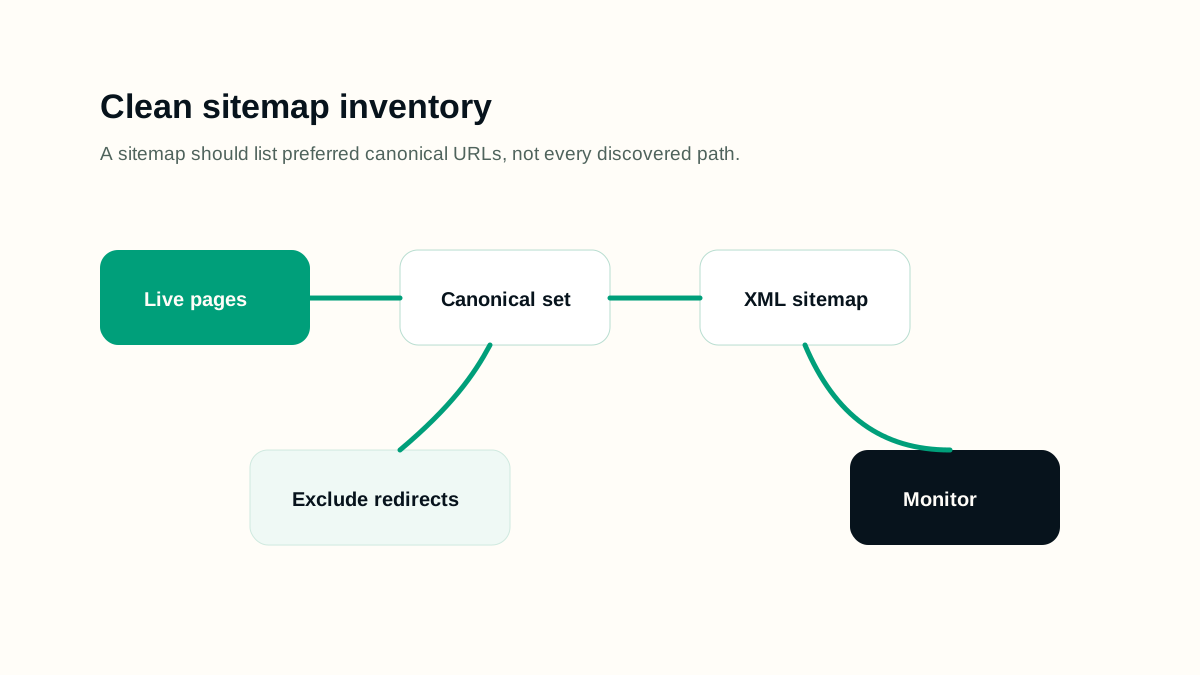
Practical workflow
- सिर्फ indexable और canonical URLs list करें।
- Preferred protocol और hostname के साथ full absolute URLs use करें।
- Future scheduled pages को publish date से पहले sitemap से बाहर रखें।
- Sitemap files बहुत बड़े या hard to monitor होने से पहले split करें।
- Sitemap URL robots.txt में add करें और Search Console में submit करें।
- XML structure, duplicates, host mismatch, status codes और lastmod quality validate करें।
Working example
मान लीजिए यह page real publishing queue के लिए तैयार हो रहा है। Editor के पास one URL, one primary intent, sitemap rule और follow-up date है। SEO के लिए sitemap guide में useful work यह decide करना है कि launch से पहले क्या visible होना चाहिए, launch के बाद क्या measure होगा, और कौन से signals prove करेंगे कि page users की help कर रहा है, सिर्फ another URL add नहीं कर रहा।
- Final article से पहले page brief लिखें।
- Primary query group और reader का next action name करें।
- सिर्फ draft data नहीं, rendered page check करें।
- Verification date record करें ताकि later reporting में context रहे।
Implementation checklist
- हर URL 200 return करे और canonical version हो।
- कोई URL sitemap में listed दूसरे URL पर redirect न करे।
- Staging, admin, API, search result, filtered या private URL appear न हो।
- Multiple languages होने पर localized alternates consistently represented हों।
- Sitemap UTF-8, valid XML और correct content type से served हो।
- Sitemap robots.txt से blocked न हो और anonymously fetch हो सके।
Decision rules
Decision rules work को honest रखते हैं। Rule page को SEO opinions के collection में बदलने से बचाता है और दूसरे reviewer के लिए review आसान करता है। Rule बताए कि evidence weak हो तो क्या करना है, page thin हो तो क्या करना है, signals conflict करें तो क्या करना है, और कब better data का wait करना safest है।
- अगर page clear reader need answer नहीं कर सकता, उसे indexable content की तरह publish न करें।
- अगर technical signal visible content से conflict करता है, visible content fix करें या signal remove करें।
- अगर section सिर्फ title को अलग words में repeat करता है, उसे example, checklist या caveat से replace करें।
- अगर change verify नहीं हो सकता, उसे completed fix की जगह editorial assumption mark करें।
- Future scheduled page को publish date से पहले public links और sitemaps से बाहर रखें।
Common mistakes
- हर route sitemap में डाल देना, including tools, drafts, redirects और private URLs.
- Absolute canonical URLs की जगह relative URLs use करना।
- Content change न होने पर भी हर build में lastmod update करना।
- Real published language alternates होने पर उन्हें भूल जाना।
- Sitemap submit करके parsing या coverage दोबारा कभी check न करना।
Measurement कैसे करें
Sitemap health को fetch success, parsing status, URL count stability, duplicate removal और submitted URLs canonical/indexable हैं या नहीं, इससे measure करें। New section launch होने पर देखें कि Google sitemap से URLs discover कर रहा है या exclusions expected rules हैं या real issues।
Release checklist
- Canonical URL, title, meta description, headings और language alternates confirm करें।
- Mobile और desktop पर page open करके spacing, tables, diagrams और code blocks check करें।
- Page sitemap में तभी appear करे जब वह live हो।
- Images में useful alt text हो और layout shift न create करें।
- Related guides से internal links destination page public होने के बाद add करें।
AI review prompt
इस prompt को real URL, draft या crawl export के साथ use करें। Output को review करके ही publish करें, क्योंकि SEO में context और business priority दोनों जरूरी होते हैं।
Sitemap QA reviewer की तरह काम करें.
Sitemap URL: [URL]
Expected host: [host]
Rules: only canonical 200 pages, no drafts, no future pages, no admin/API/search routes.
URL patterns, alternates, lastmod quality, robots.txt reference और Search Console follow-up checks review करें.
Final review
अच्छा SEO page सिर्फ keyword optimized नहीं होता। वह crawlable, useful, readable और honest होता है। Publish करने से पहले rendered page, snippet fields, internal links, indexability और reader action को साथ में check करें।
Page को तब revisit करें जब search intent बदले, product या platform बदले, Search Console नए query groups दिखाए, या users बार-बार clarification मांगें। Content refresh page को ज्यादा accurate और useful बनाए; यह cosmetic date change नहीं होना चाहिए।