On-page SEO वह page-level work है जिससे reader और search engine दोनों समझ पाते हैं कि page किस problem को solve कर रहा है। इसमें visible content, title, meta description, headings, image context, internal links, URL और rendered HTML आते हैं। Goal keyword repeat करना नहीं है; goal clear search intent को useful तरीके से satisfy करना है।
इस page को क्या करना चाहिए
सबसे पहले page का एक main job define करें। Guide page सिखाता है, comparison page decision में help करता है, product page fit और proof समझाता है, और tool page action complete करवाता है। जब job clear हो जाए तो H1, introduction, sections और internal links उसी promise को support करने चाहिए।
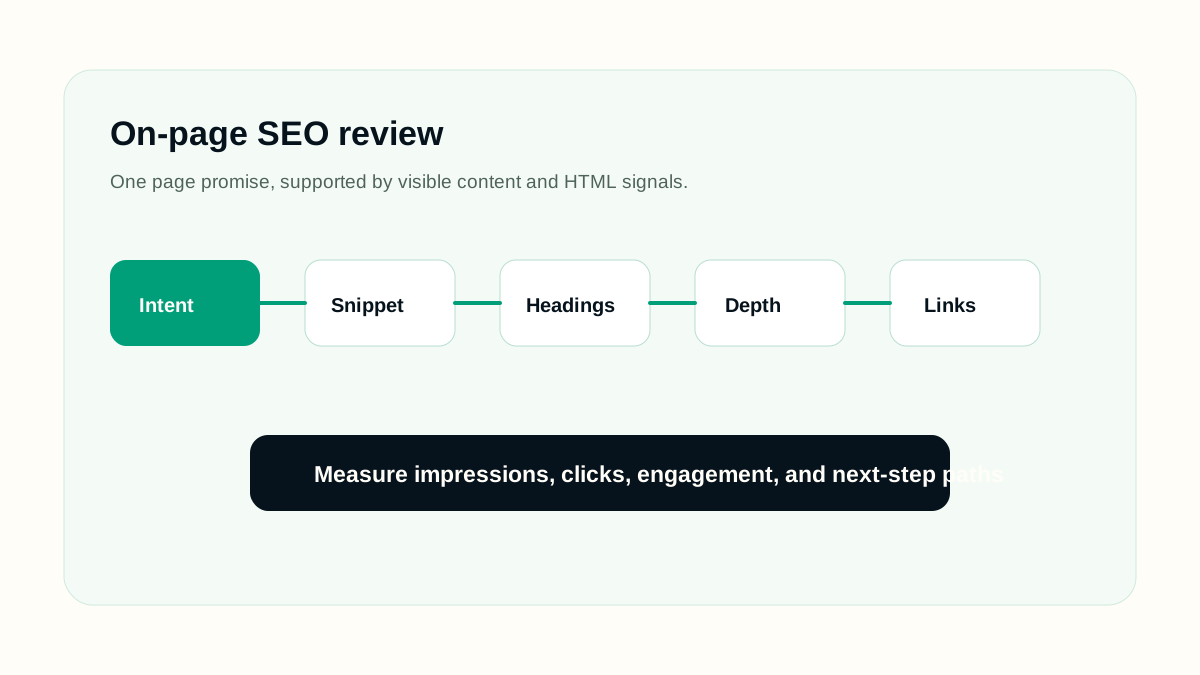
Practical workflow
- Primary query को one search intent से map करें: learn, compare, fix, choose या complete a task.
- Unique title लिखें जो page को clearly describe करे और keyword stuffing न करे।
- एक clear H1 रखें, फिर headings को reader के next questions के order में रखें।
- Practical answer जल्दी दें, फिर examples, caveats और edge cases नीचे add करें।
- Internal links वहीं add करें जहां next guide या tool सच में reader की help करता है।
- Ready मानने से पहले rendered HTML check करें, सिर्फ editor view नहीं।
Working example
मान लीजिए यह page real publishing queue के लिए तैयार हो रहा है। Editor के पास one URL, one primary intent, sitemap rule और follow-up date है। On-page SEO guide में useful work यह decide करना है कि launch से पहले क्या visible होना चाहिए, launch के बाद क्या measure होगा, और कौन से signals prove करेंगे कि page users की help कर रहा है, सिर्फ another URL add नहीं कर रहा।
- Final article से पहले page brief लिखें।
- Primary query group और reader का next action name करें।
- सिर्फ draft data नहीं, rendered page check करें।
- Verification date record करें ताकि later reporting में context रहे।
Implementation checklist
- Title और H1 same topic describe करते हैं, लेकिन identical होना जरूरी नहीं।
- Meta description useful outcome summarize करे, generic marketing claim नहीं।
- First screen reader को बता दे कि वह क्या सीखेगा या complete करेगा।
- हर section नया answer, example, decision rule या warning add करे।
- Images में descriptive alt text हो और वे relevant text के पास हों।
- Page keyword research, content optimization और internal linking जैसे related guides से जुड़ा हो।
Decision rules
Decision rules work को honest रखते हैं। Rule page को SEO opinions के collection में बदलने से बचाता है और दूसरे reviewer के लिए review आसान करता है। Rule बताए कि evidence weak हो तो क्या करना है, page thin हो तो क्या करना है, signals conflict करें तो क्या करना है, और कब better data का wait करना safest है।
- अगर page clear reader need answer नहीं कर सकता, उसे indexable content की तरह publish न करें।
- अगर technical signal visible content से conflict करता है, visible content fix करें या signal remove करें।
- अगर section सिर्फ title को अलग words में repeat करता है, उसे example, checklist या caveat से replace करें।
- अगर change verify नहीं हो सकता, उसे completed fix की जगह editorial assumption mark करें।
- Future scheduled page को publish date से पहले public links और sitemaps से बाहर रखें।
Common mistakes
- Crawler के लिए title लिखना लेकिन visible page अलग reader need answer करता है।
- Practical answer देने से पहले बहुत लंबा introduction लिखना।
- Headings को decoration की तरह use करना, logical outline की तरह नहीं।
- Repeated exact-match anchors add करना जिससे page unnatural लगता है।
- Good draft publish करना लेकिन rendered HTML, links या hidden content check न करना।
Measurement कैसे करें
On-page SEO को few signals से measure करें: intended query group की impressions, title change के बाद CTR, average position trend, page engagement और related guides/tools तक movement। एक metric को पूरा answer न मानें। कई बार impressions पहले बढ़ती हैं और clicks बाद में improve होते हैं।
Release checklist
- Canonical URL, title, meta description, headings और language alternates confirm करें।
- Mobile और desktop पर page open करके spacing, tables, diagrams और code blocks check करें।
- Page sitemap में तभी appear करे जब वह live हो।
- Images में useful alt text हो और layout shift न create करें।
- Related guides से internal links destination page public होने के बाद add करें।
AI review prompt
इस prompt को real URL, draft या crawl export के साथ use करें। Output को review करके ही publish करें, क्योंकि SEO में context और business priority दोनों जरूरी होते हैं।
Careful SEO editor की तरह काम करें.
Page URL: [URL]
Primary query: [query]
Reader intent: [learn/compare/fix/choose/task]
Rendered page को title clarity, H1 match, heading order, thin sections, missing examples, internal links, image alt text और snippet usefulness के लिए review करें.
Return: prioritized fixes, exact section changes, और क्या नहीं बदलना चाहिए.
Final review
अच्छा SEO page सिर्फ keyword optimized नहीं होता। वह crawlable, useful, readable और honest होता है। Publish करने से पहले rendered page, snippet fields, internal links, indexability और reader action को साथ में check करें।
Page को तब revisit करें जब search intent बदले, product या platform बदले, Search Console नए query groups दिखाए, या users बार-बार clarification मांगें। Content refresh page को ज्यादा accurate और useful बनाए; यह cosmetic date change नहीं होना चाहिए।