2026 में सबसे अच्छा वेबसाइट स्टैक वह नहीं है जिसमें सबसे ज़्यादा टूल हों। अच्छा स्टैक वह है जिससे आप जल्दी प्रकाशित कर सकें, पेज तेज़ रहें, कंटेंट आसानी से मिल सके और लॉन्च के बाद भी सिस्टम समझना आसान हो। पोर्टफोलियो, ब्लॉग या छोटे प्रोडक्ट के लिए सरलता एक तकनीकी लाभ है।
सुझाया गया स्टैक
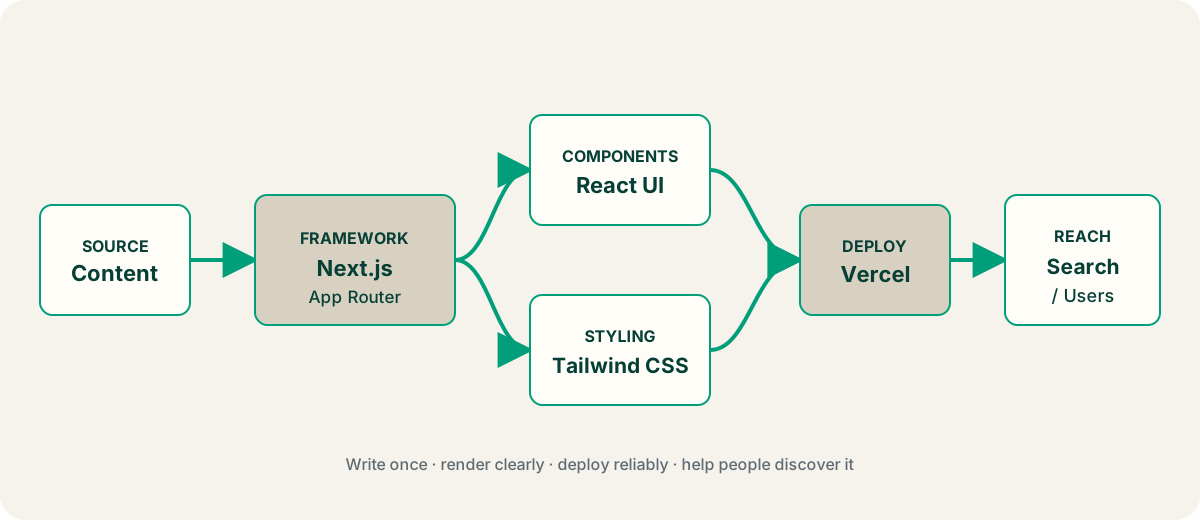
एक मजबूत डिफ़ॉल्ट स्टैक है: App Router के साथ Next.js, इंटरैक्टिव UI के लिए React, स्टाइलिंग के लिए Tailwind CSS, repository-based content, responsive SVG diagrams और deployment के लिए Vercel। यह मेल एक ही application में static content, dynamic tools, metadata और कई भाषाओं के routes संभाल सकता है।
- Pages, layouts, metadata और server rendering के लिए Next.js App Router।
- Components और सीमित client-side interactions के लिए React।
- छोटे और एकसमान styling system के लिए Tailwind CSS।
- Review किए जा सकने वाले posts और translations के लिए typed repository content।
- Preview, deployment और तेज़ delivery के लिए Vercel।
Next.js अभी भी सही क्यों है
Next.js तब उपयोगी है जब वेबसाइट को content pages, dynamic routes, metadata, image handling और कुछ interactive tools चाहिए। Server Components की मदद से article का अधिकतर code server पर रह सकता है, जबकि Client Components केवल उन interfaces के लिए रखे जा सकते हैं जिन्हें browser state या events की ज़रूरत है।
App Router portfolio, blog, भाषा के variants और tools को एक routing model में रखता है। इससे पहले release में integration का काम कम होता है और बाद में caching, data source या advanced application behavior तभी जोड़ा जा सकता है जब उसकी वास्तविक ज़रूरत हो।
शुरुआत repository-based content से करें
Repository-based content को rendering components के साथ review, version, translate और deploy करना आसान है। Typed block model paragraphs, headings, lists, code और diagrams के लिए एक निश्चित structure देता है, और इसके लिए database या browser-based editor की आवश्यकता नहीं होती।
इसका अर्थ यह नहीं है कि MDX या CMS कभी नहीं अपनाना चाहिए। जब non-technical editors को स्वतंत्र रूप से publish करना हो, editorial workflow जटिल हो जाए या content की मात्रा code review को कठिन बना दे, तब migration उचित है। तब तक repository की files सीधा और भरोसेमंद publishing system हैं।
Performance और SEO पर शुरुआत में ध्यान दें
Performance और SEO architecture से शुरू होते हैं, अंत में जोड़े गए plugin से नहीं। Article content को server पर render करें, client-side JavaScript सीमित रखें, स्थिर URLs इस्तेमाल करें और हर page के metadata को उसी भाषा में लिखें।
- पढ़ने में आसान URLs रखें और प्रकाशित slugs को स्थिर रखें।
- जहाँ content build के समय उपलब्ध हो, pages को पहले से render करें।
- हर translation के लिए अलग title और summary लिखें।
- Page structure समझाने वाले headings और alt text इस्तेमाल करें।
- भारी decorative images के बजाय responsive SVG diagrams चुनें।
- Interactive JavaScript केवल ज़रूरी tools और controls के लिए load करें।
एक सरल route structure
Readers और search engines के लिए routes का pattern स्पष्ट रखें। English default रह सकती है और Hindi के लिए साफ़ locale prefix इस्तेमाल किया जा सकता है। दोनों versions में एक ही article slug रखने से translation का संबंध आसानी से समझ आता है।
/
/blog
/blog/best-tech-to-build-website-in-2026
/hi/blog/best-tech-to-build-website-in-2026
/tools/campaign-url-builder
किन चीज़ों से बचें
जब तक content या traffic से वास्तविक आवश्यकता साबित न हो, database, headless CMS, analytics pipeline, search service और बहुत सारे plugins एक साथ न जोड़ें। हर service configuration, permissions, failure modes और maintenance का अतिरिक्त काम लाती है।
हर component को Client Component बनाने से भी बचें। Content website को पहले उपयोगी HTML भेजना चाहिए और browser code केवल वहीं जोड़ना चाहिए जहाँ interaction से काम बेहतर होता है। Complexity अनुमान के आधार पर नहीं, वास्तविक publishing और product needs के आधार पर बढ़नी चाहिए।
Complexity कब जोड़ें
Infrastructure तभी जोड़ें जब current workflow clearly fail कर रहा हो। CMS तब सही है जब non-technical editors अक्सर publish करते हों। Database तब सही है जब users data create या update करते हों। Search service तब सही है जब site पर इतना content हो कि navigation और filters काफी न रहें। उससे पहले हर extra service value से पहले maintenance जोड़ती है।
- Repository content से CMS पर तब जाएँ जब editing speed bottleneck हो।
- Static tools से server APIs पर तब जाएँ जब browser result safely fetch या compute न कर सके।
- Analytics तब जोड़ें जब पता हो कि data कौन सा decision बदलेगा।
- Database तभी जोड़ें जब content या user workflows को structured writes चाहिए हों।
अंतिम सुझाव
एक छोटे, तेज़ और content-first stack से शुरू करें: Next.js, React, Tailwind CSS, typed repository content, SVG diagrams और Vercel। उपयोगी guides publish करें, वास्तविक समस्याएँ मापें और infrastructure तभी जोड़ें जब स्पष्ट आवश्यकता सामने आए। इससे बेहतर website जल्दी बनती है और आगे के बदलाव किफ़ायती रहते हैं।