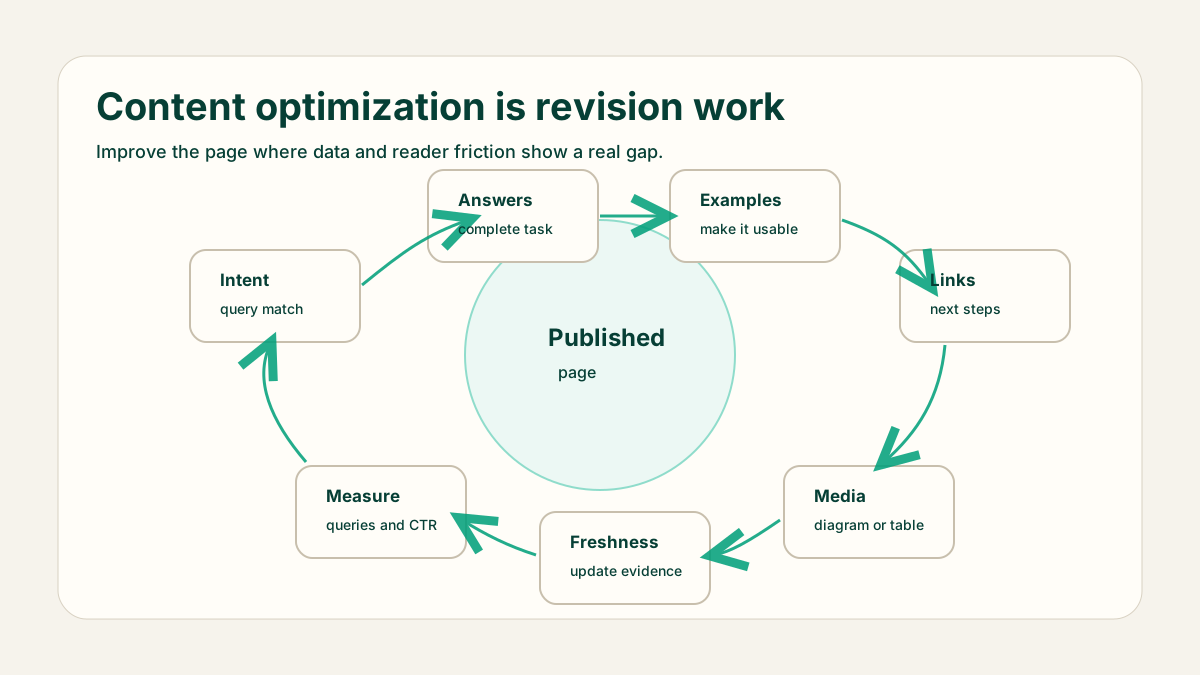
Content optimization is the work of making an existing page more useful for the query it already targets. It is not decorating a weak article with keywords. The best updates usually come from a real gap: the intent changed, the answer is incomplete, examples are missing, the title overpromises, the page is stale, or search data shows queries the page does not answer well.
Start with intent
Read the current title, introduction, headings, and search queries together. If the page promises a beginner workflow but only gives definitions, the fix is structural. If the page targets a tool query but has no tool, the fix is product work. If the page targets a checklist query, the sections should help the reader check something in order.
Make the answer complete
A complete answer explains the concept, shows the steps, gives examples, notes caveats, and tells the reader what to do next. Long content is not automatically better. The page is better when the extra sections remove confusion or help the reader finish the task.
Optimization brief
Page:
Primary query:
Missed intent:
Section to add:
Example needed:
Internal links to add:
Freshness update:
Measurement date:
Add examples and media
Examples make advice easier to trust and use. A diagram can explain a process faster than a paragraph. A table can compare options. A short code block can show the exact structure a reader should copy. Add media only when it carries information, not because the page looks empty.
Rewrite example
A weak section says, optimize your content for keywords. A useful section says, compare the page title, headings, introduction, and query data; identify the unanswered user job; add one section that solves that job; then measure whether impressions and queries move toward the intended topic. The second version gives a reader a way to act.
- Before: Add more keywords to improve SEO.
- After: Add the missing comparison table because users are searching for differences between the two options.
- Before: Make the article longer.
- After: Add examples, caveats, and a final checklist because the current page stops before the reader can decide.
Improve internal links
Internal links help readers continue the workflow and help crawlers understand related pages. Link from broad guides to specific guides, from specific guides back to the pillar, and from tool pages to the guide that explains the decision. Use anchor text that describes the destination clearly.
Refresh facts and structure
Refresh stale examples, outdated tool names, screenshots, dates, and recommendations. Reorder sections when the current structure slows the reader down. Keep the URL stable unless the old route is clearly wrong and you are ready to handle redirects.
Quality gate before republishing
Before you republish, read the page like a skeptical user. The page should answer the promised query, show enough context to trust the advice, include examples where decisions are hard, and link to the next useful step. If the update only adds keywords, it is not a content improvement.
- The introduction states the problem and the outcome clearly.
- Each heading moves the reader forward instead of repeating the title.
- Examples explain what good and weak versions look like.
- Internal links support the workflow, not just page count.
- The final recommendation tells the reader what to do next.
A strong update should also remove weak material. Delete repeated introductions, generic definitions, old screenshots, vague claims, and sections that do not help the target query. Better content is not just more content; it is a cleaner page with fewer dead ends and more useful decisions.
Measure after changes
- Record the update date and what changed.
- Check impressions, clicks, CTR, and queries after enough time has passed.
- Watch whether the page starts matching the intended query group.
- Look for new missing sections from query data.
- Do not keep editing every day; give search data time to settle.
Final recommendation
Optimize content with a written brief: the intent gap, section gap, example gap, internal links, freshness updates, and measurement date. That makes the update reviewable and prevents shallow keyword edits from replacing real improvement.