SEO audit messy observations को prioritized fix plan में बदलता है। यह tool से exported warnings वाली report नहीं है। Good audit बताता है क्या broken है, क्यों matter करता है, कौन से pages affected हैं, पहले क्या fix करना है, fix verify कैसे करना है और क्या wait कर सकता है।
इस page को क्या करना चाहिए
Current public surface से start करें: crawlable URLs, sitemap URLs, indexed pages, important templates, top landing pages और business-critical pages। फिर issues को class से separate करें। Crawl और indexability problems बाकी सब block कर सकते हैं। Content और internal links usefulness shape करते हैं। Performance और UX problems experience affect करते हैं।
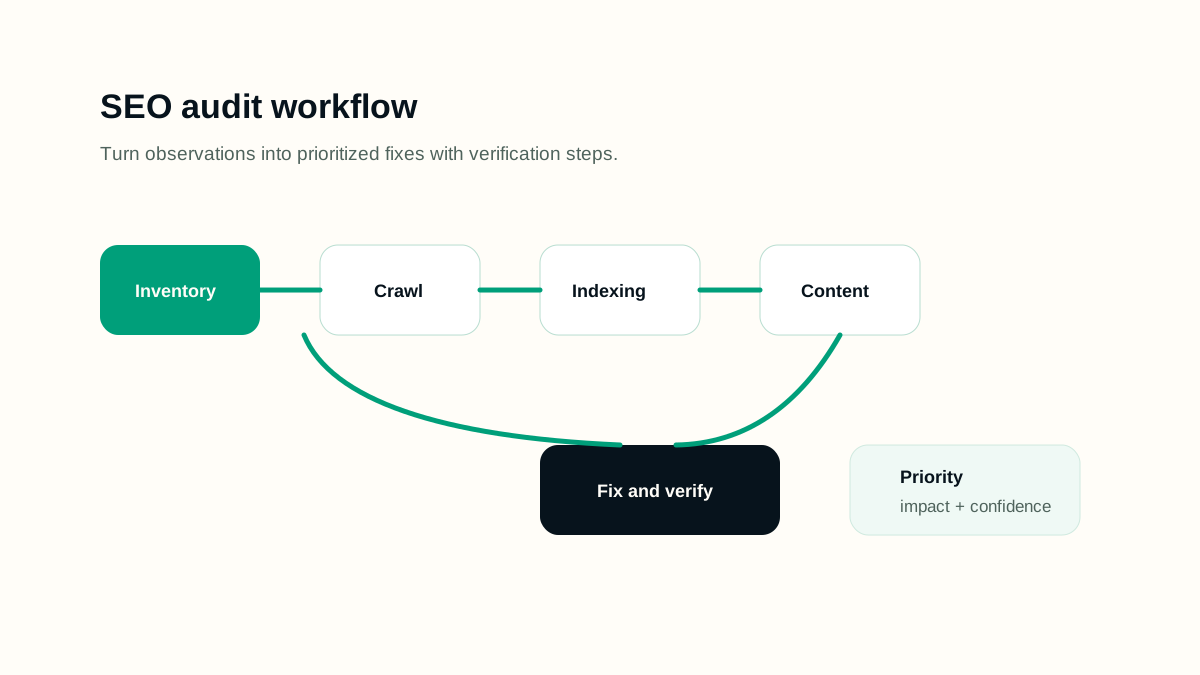
Practical workflow
- Crawl data, sitemap data, Search Console notes, analytics landing pages और recent changes collect करें।
- Issues को crawl, indexability, canonical, content, internal links, performance, structured data और reporting में group करें।
- Impact, affected URL count, confidence, effort और reversibility से prioritize करें।
- Fixes को actions की तरह लिखें, vague labels नहीं: इस pattern को redirect करें, यह noindex remove करें।
- Implementation शुरू होने से पहले verification steps assign करें।
- Crawling और reporting update होने के बाद follow-up review schedule करें।
Working example
मान लीजिए यह page real publishing queue के लिए तैयार हो रहा है। Editor के पास one URL, one primary intent, sitemap rule और follow-up date है। SEO audit checklist में useful work यह decide करना है कि launch से पहले क्या visible होना चाहिए, launch के बाद क्या measure होगा, और कौन से signals prove करेंगे कि page users की help कर रहा है, सिर्फ another URL add नहीं कर रहा।
- Final article से पहले page brief लिखें।
- Primary query group और reader का next action name करें।
- सिर्फ draft data नहीं, rendered page check करें।
- Verification date record करें ताकि later reporting में context रहे।
Implementation checklist
- Important URLs expected status codes return करें और internally linked हों।
- Sitemaps सिर्फ canonical live URLs include करें और drafts/private paths exclude करें।
- Canonical, hreflang, robots, noindex और redirects conflicting signals न भेजें।
- Thin pages improve, merge, remove या intentionally noindex हों।
- Core templates mobile पर work करें और important content broken interaction के पीछे hide न हो।
- हर recommendation में owner, priority, effort और verification हो।
Decision rules
Decision rules work को honest रखते हैं। Rule page को SEO opinions के collection में बदलने से बचाता है और दूसरे reviewer के लिए review आसान करता है। Rule बताए कि evidence weak हो तो क्या करना है, page thin हो तो क्या करना है, signals conflict करें तो क्या करना है, और कब better data का wait करना safest है।
- अगर page clear reader need answer नहीं कर सकता, उसे indexable content की तरह publish न करें।
- अगर technical signal visible content से conflict करता है, visible content fix करें या signal remove करें।
- अगर section सिर्फ title को अलग words में repeat करता है, उसे example, checklist या caveat से replace करें।
- अगर change verify नहीं हो सकता, उसे completed fix की जगह editorial assumption mark करें।
- Future scheduled page को publish date से पहले public links और sitemaps से बाहर रखें।
Common mistakes
- हर tool warning को equal priority मानना।
- Crawl blocks, noindex rules या redirect loops solve करने से पहले metadata fix करना।
- Owner, deadline या verification method के बिना huge report बनाना।
- Query या intent जाने बिना content change करना।
- Implementation के बाद audit को revisit न करना।
Measurement कैसे करें
Audit को found issues की संख्या से नहीं, completed fixes और verified outcomes से measure करें। Track करें high-priority problems कितने resolved हुए, affected URLs intended status return कर रहे हैं या नहीं, sitemap/indexing reports clean हुए या नहीं, और important pages expected impressions/clicks gain कर रहे हैं या नहीं।
Release checklist
- Canonical URL, title, meta description, headings और language alternates confirm करें।
- Mobile और desktop पर page open करके spacing, tables, diagrams और code blocks check करें।
- Page sitemap में तभी appear करे जब वह live हो।
- Images में useful alt text हो और layout shift न create करें।
- Related guides से internal links destination page public होने के बाद add करें।
AI review prompt
इस prompt को real URL, draft या crawl export के साथ use करें। Output को review करके ही publish करें, क्योंकि SEO में context और business priority दोनों जरूरी होते हैं।
SEO audit lead की तरह काम करें.
Inputs: crawl summary, sitemap URL, Search Console issues, top landing pages, known recent changes.
Prioritized audit table बनाएं: issue, evidence, affected URLs, impact, effort, owner, exact fix, verification method और follow-up date.
Final review
अच्छा SEO page सिर्फ keyword optimized नहीं होता। वह crawlable, useful, readable और honest होता है। Publish करने से पहले rendered page, snippet fields, internal links, indexability और reader action को साथ में check करें।
Page को तब revisit करें जब search intent बदले, product या platform बदले, Search Console नए query groups दिखाए, या users बार-बार clarification मांगें। Content refresh page को ज्यादा accurate और useful बनाए; यह cosmetic date change नहीं होना चाहिए।